21-Inch Push Lawn Sweeper: Wide Pickup, Large Hopper
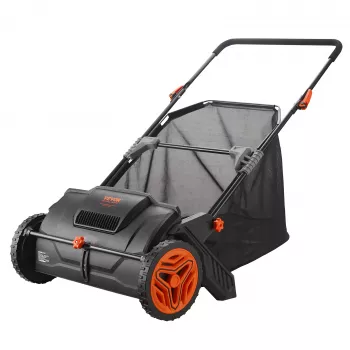
21-Inch Push Lawn Sweeper with Large Hopper Bag for Leaves & Grass
A push lawn sweeper is a fast, quiet way to pick up dry leaves, grass clippings, and light debris without cords, fuel, or raking fatigue. This 21-inch model pairs a wide sweep path with a large hopper bag to reduce trips to empty, making it a practical option for routine yard cleanup on lawns, driveways, and patios.
What This Push Lawn Sweeper Is Best For
- Routine pickup of dry leaves, grass clippings, pine needles, and small twigs after mowing or storms
- Maintaining a cleaner lawn surface to help reduce thatch buildup caused by leaving heavy clippings in place
- Quick cleanup on flat, open areas like lawns, sidewalks, patios, and driveways
- Homeowners who want low-noise cleanup without fuel, extension cords, or battery charging
21-Inch Sweep Path and Hopper Bag: What It Means in Real Use
Wide sweepers are all about covering more ground with fewer passes. A 21-inch sweep width can noticeably shorten cleanup time on medium-to-large yards where long, straight runs are common. Instead of pushing debris into piles and coming back with a tarp or rake, rotating brushes lift and guide leaves and clippings into the rear collection bag as you walk.
The large hopper bag matters most during peak leaf drop. Fewer stops to empty keeps momentum up, especially when you’re clearing multiple zones (front lawn, side yard, and driveway). Like most sweepers, performance is best on dry debris. Wet leaves can cling to turf and form mats, so slower passes or breaking up thick patches first can help.
Quick Specs at a Glance
This model is designed as a push-powered sweeper—no gas engine and no electric motor—so the “power” comes from steady walking speed and consistent brush contact. It’s built to handle everyday yard debris like dry leaves and post-mow clippings, with a hopper bag included for easy collection and disposal.
| Feature | What to Expect | Why It Helps |
|---|---|---|
| Sweep width | 21-inch path | Fewer passes on open lawn areas |
| Power source | Manual push | No fuel, cords, charging, or engine noise |
| Collection system | Large hopper bag | Less frequent emptying during cleanup |
| Typical debris | Leaves, grass clippings, light yard litter | Improves lawn appearance and reduces scattered debris |
Setup and First Use
- Assemble the handle and collection bag securely; re-check fasteners after the first session.
- Start on a dry surface with a small test area to confirm brush contact and pickup performance.
- Use a steady walking speed; very fast pushing can scatter debris ahead of the brush.
- Overlap passes slightly to prevent thin lines of debris from being left behind.
A helpful first-session routine is to sweep one straight lane, check what made it into the hopper, then adjust your pace and overlap until pickup looks even. Once dialed in, move to larger sections and work in a simple pattern (long passes first, then edges).
How to Get Cleaner Pickups (Leaves, Grass, and Mixed Debris)
Leaves
Work with the wind when possible and use consistent, straight passes. On thicker patches, slow down so brushes have time to lift leaves up and back into the bag rather than pushing them forward.
Grass clippings
Sweep soon after mowing once clippings are dry. If clippings are damp or clumped, take multiple lighter passes and avoid trying to “force” pickup at high speed, which can roll clumps along the surface.
Pine needles
Use tighter overlap and a slower pace. Needles are easiest when dry and loosely scattered, so a quick sweep on a dry afternoon usually beats trying to clean up right after morning dew.
Edges, corners, and tight spots
Make a perimeter pass first, then work inward. For corners, approach from multiple angles so brushes can catch debris that hugs borders. On patios and along walkways, keep your passes parallel to the edge to reduce scatter.
Driveways and patios
Clear larger sticks, stones, and gravel first to reduce the chance of snagging and to help the brush system maintain smooth rotation.
Where a Push Sweeper Can Struggle
- Wet, matted leaves that stick to grass can require pre-raking or repeated slow passes.
- Uneven terrain, deep depressions, or very thick turf can reduce contact and pickup consistency.
- Large acorns, heavy sticks, and rocks should be removed before sweeping to protect the brush system.
- Very tall grass is better cut first; sweepers perform best on maintained lawn height.
If the yard is bumpy or the debris is heavy and wet, the most efficient approach is often a quick pre-pass to break up thick mats, then a second pass with the sweeper once the material is loosened and drier.
Care, Storage, and Seasonal Maintenance
When possible, consider putting collected leaves and yard waste to use rather than sending it to the landfill. The US EPA’s yard waste guidance and the University of Minnesota Extension composting basics offer practical options for composting and responsible disposal.
When This 21-Inch Sweeper Is a Smart Buy
Product Options Available Now
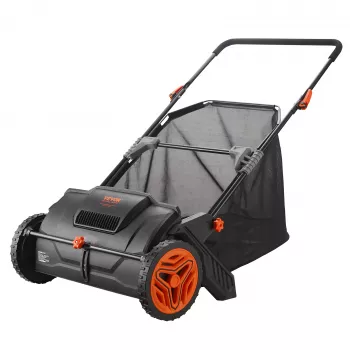
- 21-Inch Push Lawn Sweeper with Large Hopper Bag for Leaves & Grass (in stock)
- Luminous Wooden LED Light Globe 3D Puzzle Model Kit (in stock)
FAQ
Will a push lawn sweeper pick up wet leaves or wet grass clippings?
It works best on dry debris. Wet leaves and damp clippings can clump and stick to turf, so slower passes, thinner layers, or a quick pre-rake of matted areas may be needed.
How often should the hopper bag be emptied during use?
Empty it when pickup starts to drop, airflow seems reduced, or the bag feels heavy. During heavy leaf fall, more frequent emptying helps keep performance consistent and prevents spillover.
Can it be used on driveways and patios?
Yes, it can handle light debris on hard surfaces. For smoother sweeping and fewer snags, remove larger sticks, stones, and loose gravel before you start.







Leave a comment