6-Quart Stainless Steel Slow Cooker: Capacity, Tips & Safety
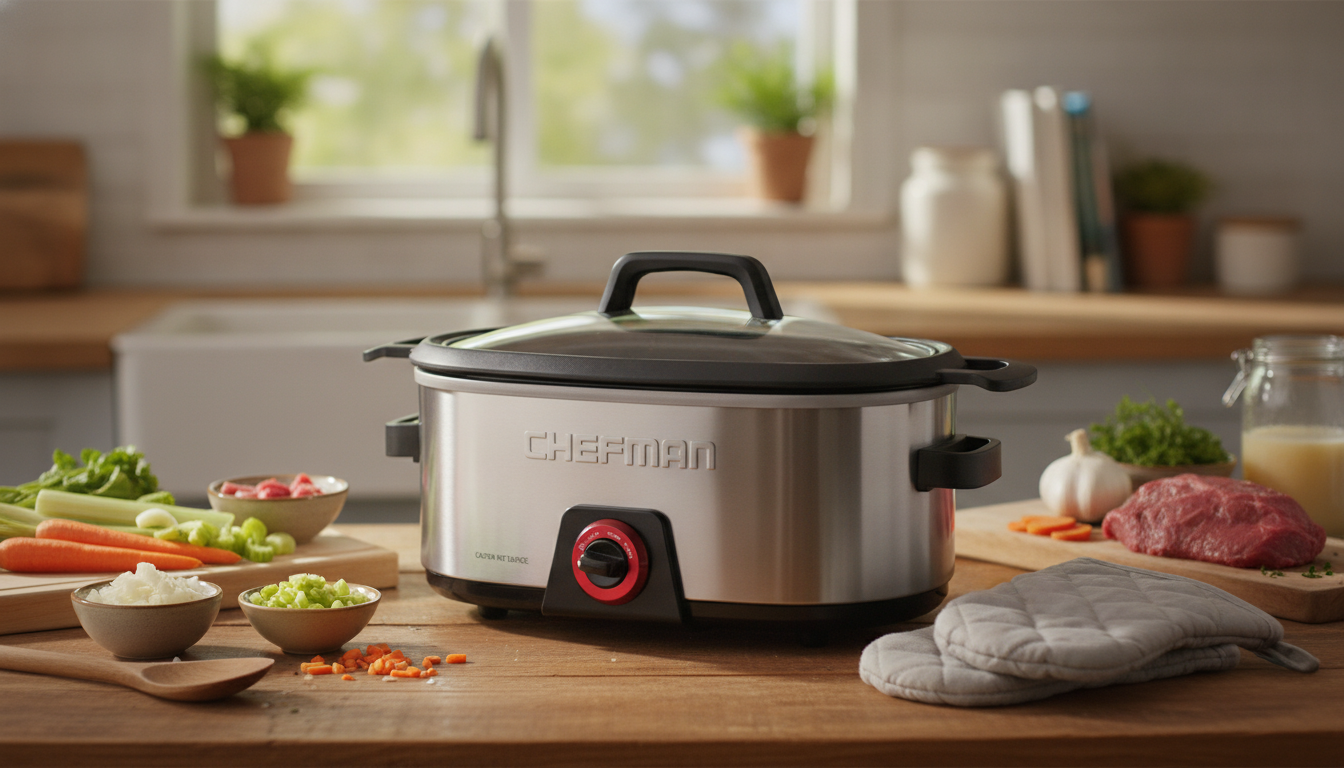
6-Quart Stainless Steel Slow Cooker: Family-Size Comfort With a Polished Look
A 6-quart stainless steel slow cooker is made for hands-off meals that actually feed people—weeknight dinners, weekend meal prep, and the occasional “bring something warm” gathering. The capacity is roomy without being oversized, and a stainless steel exterior tends to stay looking sharp even with regular use. Below is a practical breakdown of what the 6-quart size is best for, how to get better flavor and texture, and what to know about heat settings, cleaning, and safe food handling.
Why the 6-quart size works for most households
The 6-quart sweet spot balances everyday convenience with enough volume for leftovers and hosting. It’s large enough for bigger cuts of meat and full-pot soups, but still compact enough to live on a countertop without feeling like a catering appliance.
- Comfortably supports family dinners plus next-day lunches.
- Great for batch cooking: chili, shredded meats, beans, and pasta sauces.
- Handles larger cuts (like a whole chicken or pork shoulder) more easily than 3–4 quart models.
- Works well for potlucks because it can cook and then hold food warm for serving.
| Dish type | What it comfortably holds | Best for |
|---|---|---|
| Chili or soup | A full pot with room to stir | Family dinners and leftovers |
| Pulled pork/chicken | Large roast with cooking liquid | Sandwiches, tacos, meal prep |
| Stews and braises | Hearty vegetables + meat | Cold-weather meals |
| Party dips | Large batch kept warm for hours | Game days and gatherings |
Stainless steel exterior: durability and day-to-day benefits
Stainless steel exteriors earn their keep in kitchens where appliances get splattered, wiped, and moved around. They generally resist staining and tend to look “cleaner” with less effort than glossy plastic housings, especially when you’re dealing with tomato sauce sputters or oily fingerprints.
- Holds up well against frequent wiping and common splatters.
- Blends with many kitchen styles and other stainless appliances.
- Often feels sturdier than all-plastic housings.
- When full, stability matters—look for steady footing and comfortable side handles for safer carrying.
Cooking performance: low, high, and warm settings
Most slow cooker routines come down to three modes. Knowing what each one is for helps avoid mushy vegetables, dry meat, or food that sits too long at the wrong temperature.
- Low: Best for tougher cuts (chuck roast, pork shoulder) and for developing deeper flavor over longer cook times.
- High: Useful when time is tighter. You still get hands-off cooking, just faster—often better for leaner proteins when you don’t want them cooking all day.
- Warm: Designed to hold already-cooked food at a serving temperature. It’s not intended for cooking raw ingredients from the start.
Keep the lid on as much as possible. Each peek releases built-up heat and can extend the cook time, especially on low.
What a 6-quart slow cooker can cook especially well
This size shines with recipes that benefit from steady, gentle heat and minimal stirring. It’s also a strong choice for recipes that get better after a few hours—when spices bloom and collagen-rich cuts soften.
- Soups and broths: Long simmered flavor without hovering over a pot.
- Beans and lentils: Even heat supports consistent texture; soak beans when recommended.
- Shredded meats: Chicken thighs, beef roasts, and pork shoulder turn pull-apart tender.
- Sauces and fillings: Marinara, curry bases, taco filling, or sloppy-joe mixtures for batch cooking.
Setup tips for better texture and flavor
A few small habits can make slow-cooked food taste more vibrant and look less “stewed.” These are the tweaks that help when you want tender meat but not limp vegetables, and a sauce that tastes concentrated instead of watery.
- Layer wisely: Put dense ingredients (potatoes, carrots) near the bottom where heat is strongest.
- Mind the liquid: Slow cookers lose less moisture than stovetops. If a recipe wasn’t designed for slow cooking, reduce broth so the final dish isn’t diluted.
- Brown when it matters: Searing meat in a skillet first adds deeper flavor and color before it slow cooks.
- Avoid overfilling: Aim for about one-half to two-thirds full for the most consistent heating.
Cleaning and care that keeps it looking new
Safety and food-handling basics
Helpful references:
USDA Food Safety and Inspection Service: Slow Cookers and Food Safety
and
FDA: Food Code (Time/Temperature Safety guidance).
Simple meal ideas that suit a 6-quart cooker
Product option available now
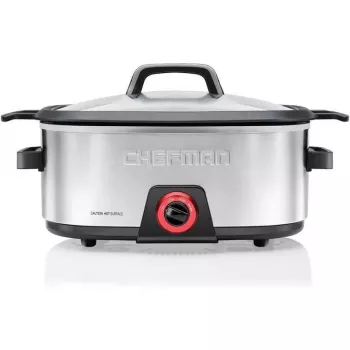
If you want a single countertop cooker that can handle family-size batches and keep food warm for serving, the 6-Quart Stainless Steel Slow Cooker is a straightforward fit. Check the product page for current pricing, availability, and the latest images before purchasing.
| Item | Details |
|---|---|
| Name | 6-Quart Stainless Steel Slow Cooker |
| Price | 80.01 USD |
| Availability | In stock |
| Product page | View product |
You may also like
- Luminous Wooden LED Light Globe 3D Puzzle Model Kit
- Gold Metal Decorative Ring Charms for Apple Watch Bands
- Minimalist Bow Knot Bangle Bracelet
FAQ
Is a 6-quart slow cooker big enough for a family?
Yes—6 quarts typically covers family dinners with leftovers and can handle small gatherings. For best results, don’t fill it to the brim; keeping it about half to two-thirds full helps it heat evenly.
Can a slow cooker be left on warm for hours?
Warm is meant to hold fully cooked food at serving temperature, not to cook raw ingredients. For food safety, keep an eye on total holding time and refrigerate leftovers promptly once serving is done.
How full should a 6-quart slow cooker be?
Aim to keep it between about one-half and two-thirds full for consistent cooking. Overfilling can lead to uneven heating and spills, and you may need to reduce liquids since slow cookers don’t evaporate much.










Leave a comment