Leg Compression Massagers for Knee Pain: Do They Help?
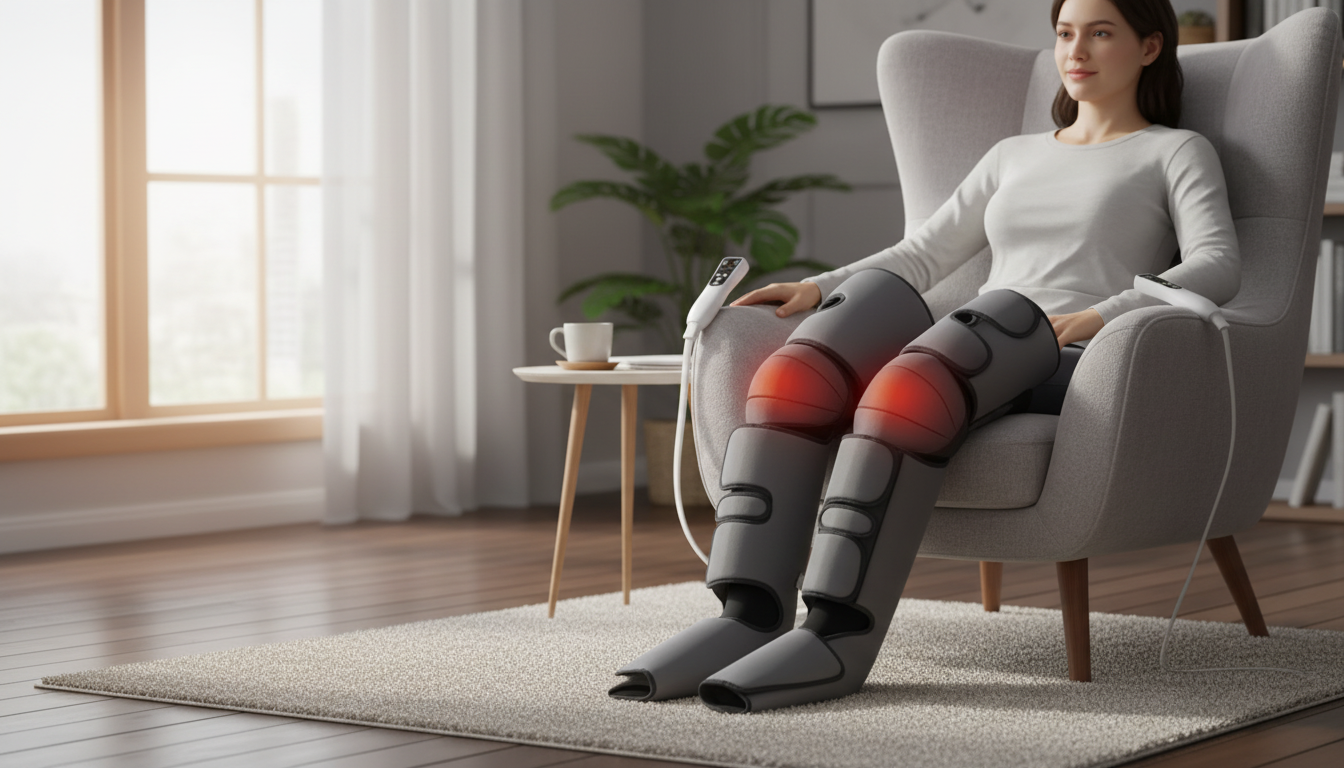
Do leg compression massagers help with knee pain?
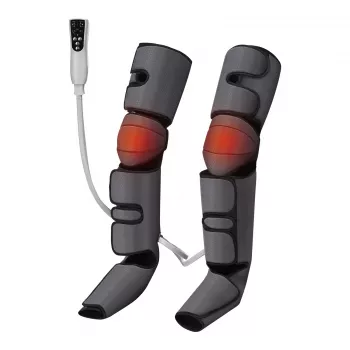
Leg compression massagers can help certain types of knee pain, especially when swelling, poor circulation, or muscle tightness around the knee is part of the problem. By applying rhythmic pressure to the calves (and sometimes the thighs, depending on the device), compression can encourage fluid movement, reduce the “heavy legs” feeling, and support recovery after long periods of standing or after workouts. Many people notice less stiffness and an easier time moving, which can indirectly make the knee feel better.
When they’re most likely to help
Compression massage tends to be most useful for knee discomfort tied to general inflammation or overuse, such as soreness after exercise, achy knees after being on your feet, or tight calves and hamstrings that alter knee mechanics. If the knee feels worse because the surrounding muscles are tense, improving lower-leg circulation and relaxing the chain of muscles below the knee can make walking and bending more comfortable.
When they might not be enough
If knee pain is coming from a structural issue (like a ligament injury, meniscus tear, or advanced arthritis), a compression massager may offer temporary comfort but won’t fix the underlying cause. Also, if pain is sharp, sudden, or paired with significant swelling, warmth, or instability, it’s safer to get medical guidance before relying on at-home devices.
How to use one safely for knee-related discomfort
Start with the lowest pressure setting for 10–15 minutes and see how your knee and lower leg respond over the next few hours. Avoid cranking up intensity to “push through” pain; gentle, consistent sessions are typically better tolerated. If your device includes thigh compression, keep pressure moderate—too much squeeze around the knee area can feel irritating if the joint is already sensitive.
For a deeper breakdown of benefits, limitations, and what to look for in a device, visit the main guide on leg compression massagers and knee pain.
FAQ
Can leg compression massagers reduce swelling in the legs?
They may help mild swelling by encouraging fluid movement and improving circulation, especially after long periods of sitting or standing. Persistent or one-sided swelling should be evaluated by a clinician.










Leave a comment