5×7 Lacrosse Rebounder: Adjustable Pitchback Training Guide
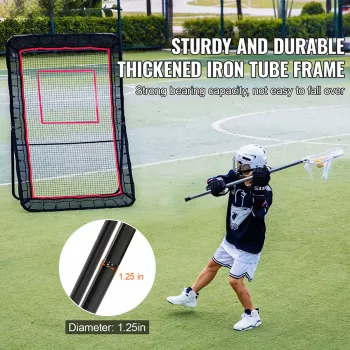
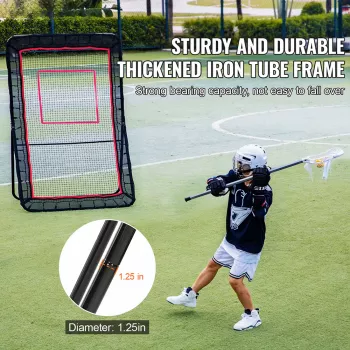
5×7 ft Lacrosse Rebounder Net With Adjustable Pitchback for Multi-Sport Practice
A 5×7 ft rebounder gives a consistent return for quick reps at home, on the field, or in the driveway. With an adjustable pitchback, it can switch from crisp ground-ball feeds to high-arcing catches, supporting lacrosse along with other ball sports that benefit from repeatable, solo training.
Quick overview
- 5×7 ft rebounder surface supports a wide catching and throwing window
- Adjustable pitchback angle helps tailor returns for different skills and sports
- Designed for repeatable solo reps: throws, catches, reaction work, and footwork timing
- Works well for individual sessions, warmups, and small-space practice
What the 5×7 size changes in day-to-day practice
A larger rebound surface changes the pace of training more than most players expect. With a 5×7 ft frame, the target area is forgiving enough to keep reps flowing, especially when you’re adding footwork, switching hands, or working faster releases.
- More forgiving target area reduces downtime from missed throws, keeping sessions moving
- Allows varied release points (overhand, sidearm, quick-stick) without constantly repositioning
- Supports both close-range rapid-fire reps and longer throws for stronger returns
- Useful for athletes still developing accuracy and for advanced players increasing speed
In practical terms, the larger face helps maintain rhythm: catch, cradle (or quick-stick), step, and release—without frequent resets. That consistency is what turns “a few minutes outside” into a structured, high-rep session.
Adjustable pitchback: how to use angle to train different skills
The pitchback angle is the “difficulty knob.” A small adjustment can change the pace, arc, and timing window, which is exactly what helps replicate different game situations—tight catches in traffic, routine passing lanes, or reaction grabs overhead.
- Lower angles tend to produce faster, flatter rebounds suited for quick hands and tight windows
- Medium angles help simulate typical passing and catching trajectories
- Higher angles can create pop-ups for reaction catches and overhead tracking
- Small angle changes can meaningfully change return pace; adjust gradually while dialing in
Angle setups and drill ideas
| Pitchback setup | Return style | Best for | Example drill |
|---|---|---|---|
| Low angle (flatter face) | Fast, direct rebounds | Quick sticks, reaction time, tight mechanics | 30-second rapid-fire catch/throw, alternate hands |
| Medium angle | Balanced arc and speed | Core passing/catching rhythm | 10 passes right, 10 left; step-in footwork each rep |
| Higher angle (more upright face) | Higher pop and softer drop | Tracking, overhead catches, body positioning | Toss to rebounder, drop-step, catch above shoulder line |
Multi-sport training ideas in a small space
A rebounder is one of the easiest ways to turn limited space into usable training time. The key is matching the return to the skill you want: quick and flat for reaction speed, or higher and softer for tracking and body positioning.
- Lacrosse: stickwork cadence (catch to release), off-hand emphasis, and quick transitions
- Baseball/softball: glove-side reaction catches (use softer balls as needed) and footwork timing
- Soccer: one-touch passes and first-touch control when using a compatible rebound surface/ball setup
- General athleticism: lateral shuffles into a catch, split-step timing, and hand-eye coordination progressions
For multi-sport households, one rebounder can support several athletes by simply changing the angle, distance, and ball type. For safety reminders and best practices, review guidance from USA Lacrosse safety resources and general participation recommendations from NFHS Sports Medicine.
Setup, placement, and stability tips
- Place on flat ground; keep clear space behind the athlete for safe backpedals and resets
- Start close to confirm return behavior, then increase distance as accuracy improves
- If training on hard surfaces, consider a non-slip mat or anchoring methods appropriate for the location
- Check fasteners and tension before high-tempo sessions to keep rebounds consistent
A simple rule that helps: begin at a distance where you can catch cleanly ten times in a row, then move back a few steps. This builds accuracy without turning sessions into “chase the ball” workouts.
Durability and what to look for over time
- Consistent rebound depends on frame integrity and net tension; re-tension when needed
- Rotate practice zones to spread impact wear across the surface
- If used outdoors, store out of prolonged harsh weather to extend net life
- Inspect for fraying, bent joints, or loosening hardware, especially after high-velocity sessions
Keeping returns consistent is usually about small maintenance habits—tightening hardware, checking the net, and avoiding months of direct exposure when not in use.
Who it fits best
- Beginners: larger target area reduces frustration and supports clean fundamentals
- Intermediate players: angle adjustments help refine release speed, off-hand consistency, and timing
- Advanced players: supports high-rep routines, tempo work, and precision under fatigue
- Families and coaches: a single rebounder can serve multiple sports and multiple athletes
A simple 20-minute routine to build consistency
Shop training + downtime picks
- 5×7 ft Lacrosse Rebounder Net – Adjustable Pitchback for Multi-Sport Training
- Luminous Wooden LED Light Globe 3D Puzzle Model Kit
- Minimalist Bow Knot Bangle Bracelet
FAQ
How far should a rebounder be placed from the player?
Start close (about 5–8 feet) to learn the return line, then move back to 10–20 feet as accuracy and pace improve. Distance depends on throwing speed and pitchback angle, and it’s smart to keep a safety buffer of clear space behind you for backpedals and resets.
What pitchback angle is best for quick-stick lacrosse reps?
A lower, flatter angle typically produces the fastest, most direct returns for quick-stick timing. Fine-tune in small increments until the ball hits your stick pocket consistently, and build speed gradually so mechanics stay clean.
Can the same rebounder be used for other sports?
Yes—rebounders work well for many throwing, catching, and reaction drills across sports. Use the right ball for the skill and space (softer options when needed) and be mindful of nearby surfaces like windows, cars, and siding.








Leave a comment