Cordless Robotic Pool Cleaner for Inground Pools Guide
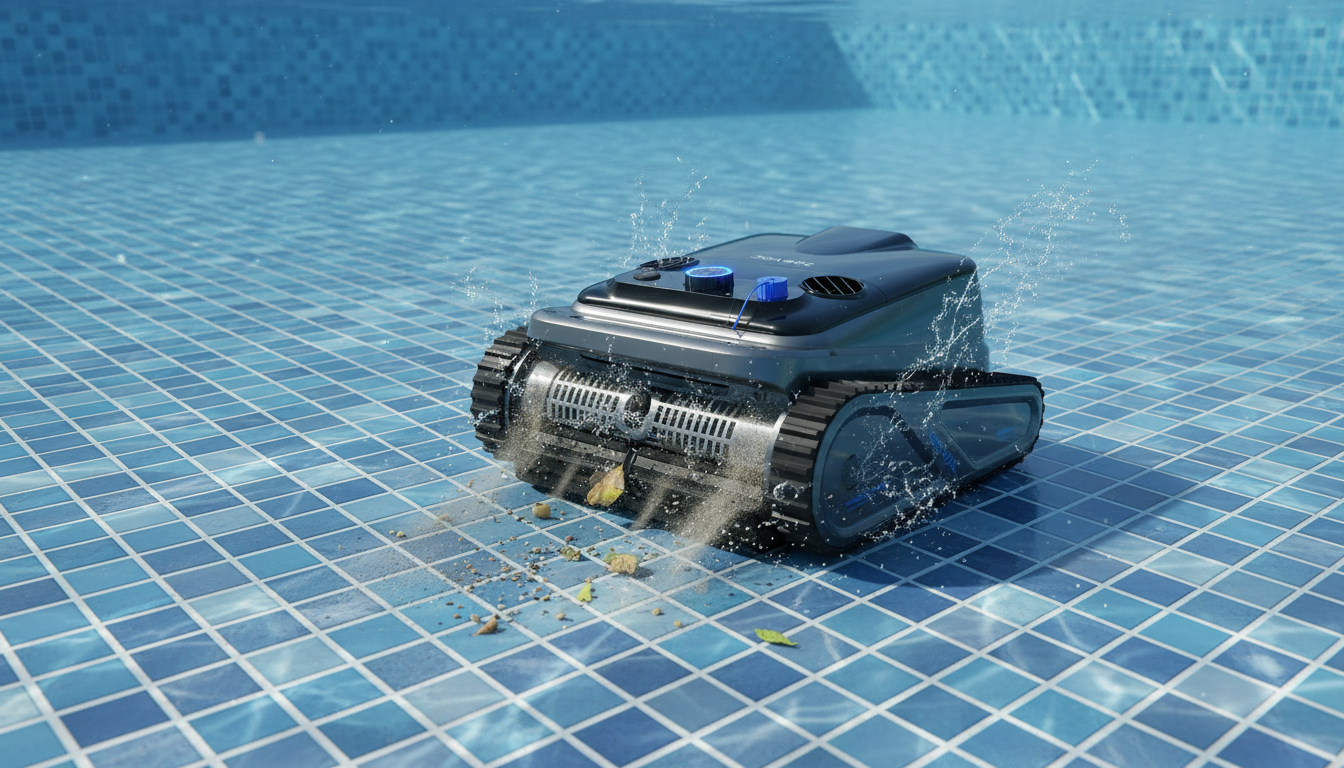
Cordless Robotic Pool Cleaner for Inground Pools: Cleaner Floors, Less Hassle
A cordless robotic pool cleaner can take daily debris removal off the to-do list—no hoses to manage, no pump dependence, and no wrestling with heavy equipment. For many inground pools, it’s the easiest way to keep the floor looking “just cleaned” between deeper maintenance days. Below is what to expect from a cordless robot, how to set it up for consistent coverage, and the care habits that help it stay reliable season after season.
What a Cordless Robotic Cleaner Does (and Doesn’t) Handle
Most cordless robots are built for routine cleanup—those small, frequent messes that make an inground pool look dull even when water chemistry is fine. In typical use, they pick up sand, dirt, leaves, small twigs, and the settled film that accumulates on the floor (how well it lifts fine film depends on brush design and filtration).
They shine after wind, rain, landscaping work, or a busy weekend of swimmers—times when debris gets kicked down and spreads across the deep end. That said, a robot isn’t a substitute for balanced chemistry. Sanitizer levels, pH control, and occasional brushing in corners and around fittings still matter for preventing algae and keeping surfaces slick-free. Also plan for small touch-ups: stairs, tight ledges, and deep creases are common “miss zones” for floor-focused cleaners.
Why Cordless Matters for Inground Pools
In an inground pool, cordless convenience is more than a nice-to-have. Without a power cable across the deck, you avoid tangles and reduce the odds of someone tripping during a quick pre-guest cleanup. Cordless robots also run independent cleaning cycles that don’t rely on your pool pump schedule, which can simplify energy planning and avoid the “cleaner only works when the pump is on” problem.
For spontaneous cleanups, cordless is hard to beat: charge, drop it in, and let it run. Compared with many suction-side or pressure-side options, setup is usually faster—no long hoses to connect, prime, and store afterward.
Cordless vs. Traditional Pool Cleaning Options
| Option | Setup effort | Ongoing cost | Typical strengths | Typical trade-offs |
|---|---|---|---|---|
| Cordless robotic cleaner | Low | Low–moderate (filter rinsing, eventual battery aging) | Convenient cycles; no hoses; easy retrieval | Battery runtime limits; may miss steps/edges depending on design |
| Corded robotic cleaner | Moderate | Low–moderate | Often longer runtimes; consistent power | Cable management; tangles; storage hassle |
| Suction-side cleaner | Moderate | Low | Simple mechanics; uses existing suction | Depends on pump; can reduce skimmer suction; hose handling |
| Manual vacuum/head + pole | High | Low | Precise spot cleaning | Time-consuming; requires active effort |
Key Features That Make a Difference Day-to-Day
Small design choices determine whether a cordless robot feels effortless or fussy. Start with battery runtime: match the cycle length to your pool size and typical debris load. A longer cycle can mean better coverage on larger rectangles, but only if the navigation pattern is consistent and doesn’t waste time circling.
Next, look at filtration access. An easy-open basket or cartridge makes the “post-clean rinse” quick—especially important if you run the robot multiple times per week. Brush type and traction matter too: better grip and agitation can improve pickup on slick surfaces and help the unit maintain movement on slopes. Finally, don’t overlook the handle or float design. Easy retrieval is a daily quality-of-life feature, particularly if your deep end is truly deep.
Pool Fit Checklist Before Buying
Quick Fit Checklist for Inground Pools
| Pool factor | What to look for | Why it matters |
|---|---|---|
| Large surface area | Adequate runtime per cycle | Reduces partial cleans and repeat runs |
| Fine debris (sand/dirt) | Finer filtration + strong suction | Prevents dust from blowing back into the pool |
| Frequent leaves | Easy-empty basket + large capacity | Avoids mid-cycle clogging and missed areas |
| Steep slope/deep end | Good traction and stable movement | Helps it climb and maintain coverage |
| Steps/ledges | Stated support for edges/walls (if needed) | Reduces manual follow-up work |
Setup and First Cleaning Cycle
Care, Cleaning, and Battery Habits That Extend Lifespan
Troubleshooting Common Performance Issues
For missed areas, try changing the starting placement and run the robot during calmer water (no active swimmers, fewer returns pointed downward). Remove toys and obstacles from the floor to prevent detours. If water looks cloudy after a run, clean the filter more frequently and verify sanitizer and pH are in range; basic pool operation guidance from the CDC Healthy Swimming resources can help reinforce the fundamentals, and the Pool & Hot Tub Alliance (PHTA) provides broader industry guidance.
Recommended Products (In Stock)
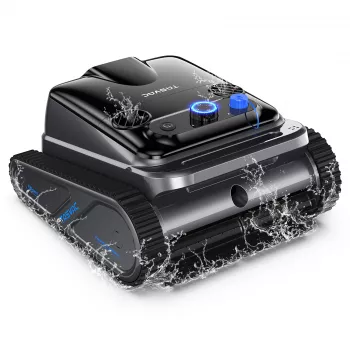
For routine inground pool floor cleaning without hoses or pump dependence, start here: Cordless Robotic Pool Cleaner for Inground Pools. For a couple of other home items currently available, browse: Luminous Wooden LED Light Globe 3D Puzzle Model Kit and Minimalist Bow Knot Bangle Bracelet.
When a Cordless Robot Is the Best Match
FAQ
How often should a cordless robotic cleaner run in an inground pool?
For routine conditions, 2–4 cycles per week is a practical baseline. During heavy debris periods (storms, pollen, nearby trees), daily runs can help—adjust based on how full the basket gets and what you see on the pool floor.
Do cordless robotic pool cleaners work in deep ends and on slopes?
They can, but results depend on traction, weight balance, and the cleaner’s drive design. If your pool has steep slopes, experiment with starting placement and keep filters clean for maximum flow; very steep hoppers may require a model designed specifically for strong climbing stability.
What maintenance keeps suction and pickup strong over time?
Rinse the filters after each cycle, clear intake blockages, and store the unit out of sun and freezing temperatures. Keeping water chemistry balanced also helps prevent fine debris from binding into a sticky film that’s harder to lift.









Leave a comment