Heavy-Duty Weed Barrier Fabric: Install It Right
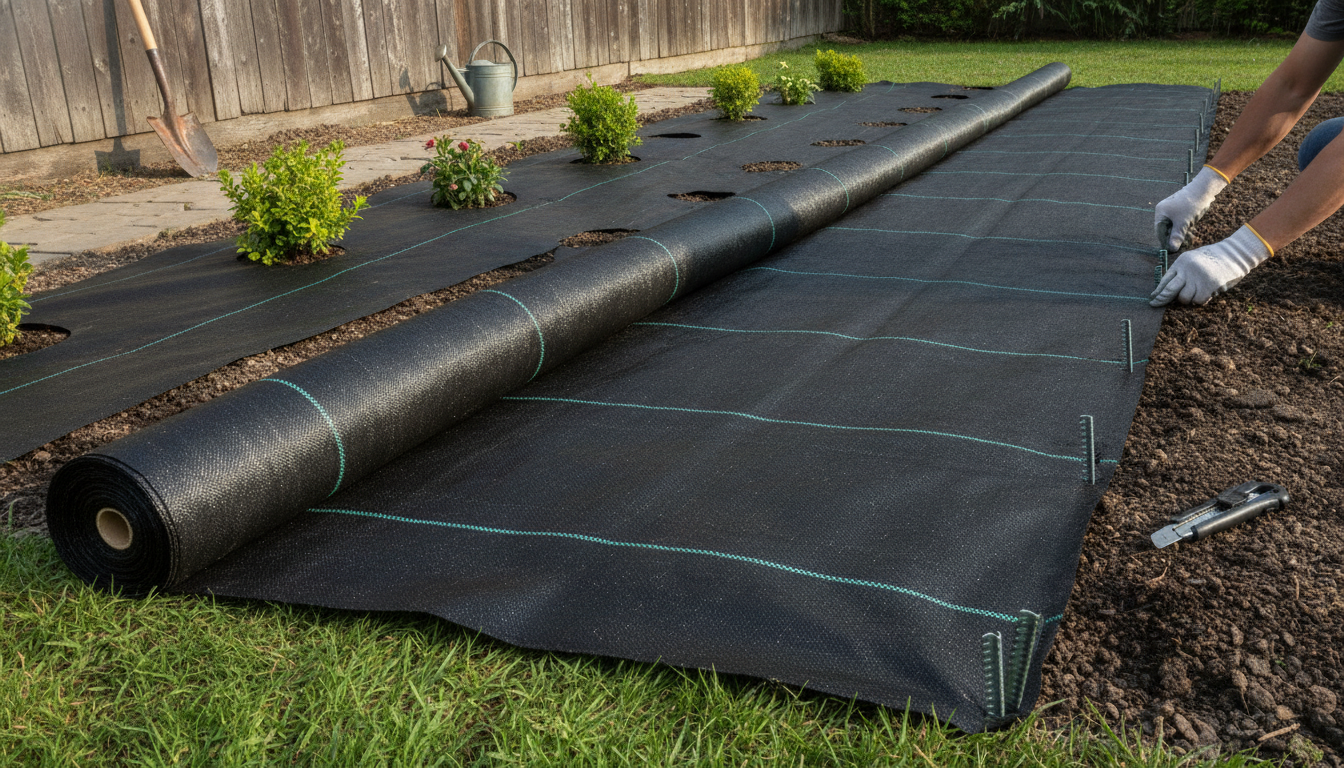
Heavy Duty Weed Barrier Landscape Fabric for Long-Lasting Weed Control
Heavy-duty landscape fabric is designed to suppress weeds while still allowing water and air to move into the soil. When the material matches the job—and it’s installed with the right overlaps, pins, and top layer—you get cleaner beds and steadier paths with far less seasonal cleanup. When it’s rushed or underbuilt, the barrier can shift, tear, or turn into a place where weeds root on top.
What heavy-duty landscape fabric does (and what it doesn’t)
Landscape fabric works by creating a physical light barrier at the soil surface, which limits weed germination beneath it. That’s especially valuable in rock beds and gravel paths where hand-weeding is tedious and weeds can quickly look messy.
- Blocks sunlight at the soil surface to reduce weed germination in beds, paths, and under rock.
- Lets water pass through while reducing soil splash and mud tracking in high-traffic areas.
- Doesn’t stop every weed forever—windblown seeds can still sprout in mulch or gravel above the fabric.
- Works best as a system: fabric + pins + proper edging + a top layer (mulch, rock, or pavers).
For best results, think of fabric as a separator and weed-suppressing layer, not a “set it and forget it” replacement for all maintenance—especially in areas where airborne seeds regularly land.
Best places to use it around the yard
Heavy-duty fabric shines where durability matters and where you want a clean separation between soil and decorative top layers.
- Under gravel walkways and decorative stone where hand-weeding is difficult.
- Around shrubs, trees, and foundation plantings to reduce maintenance.
- Beneath raised beds or garden borders to slow weeds from creeping in from the sides.
- Under decks, sheds, play sets, and other structures where vegetation causes mess or pests.
- Avoid using in active vegetable rows where frequent soil amendment and replanting is needed.
If you’re building a gravel path, fabric also helps keep stone from sinking into soil over time, which can reduce rutting and make future refreshes easier.
Material and performance: woven vs. non-woven vs. plastic
Not all “weed barriers” behave the same. The right choice depends on whether you need maximum tear resistance under rock, strong filtration on slopes, or a temporary cover for a short-term weed-kill method.
- Woven polypropylene: strong and tear-resistant; a common choice under rock and high-traffic installs.
- Non-woven (spunbond): excellent filtration and drainage; often used behind drainage stone or on slopes.
- Plastic sheeting: blocks water and air; mainly used for temporary solarization, not typical landscape beds.
- UV resistance matters: if any edges might be exposed, choose fabric rated to handle sunlight.
Quick comparison of common barrier options
| Option | Durability under rock | Water permeability | Best for | Common drawback |
|---|---|---|---|---|
| Woven landscape fabric (heavy duty) | High | High | Gravel paths, rock beds, long-term installs | Can clog over time if fine soil sits on top |
| Non-woven fabric | Medium | Very high | Drainage layers, slopes, filtration projects | May puncture more easily under sharp rock |
| Thin “economy” fabric | Low | Medium | Short-term projects, light mulch beds | Tears easily; weeds can penetrate |
| Plastic sheeting | Medium | None | Temporary weed-kill, solarization | Traps water; harms soil gas exchange |
Choosing the right roll for coverage and durability
A little planning prevents the most common frustrations: exposed seams, short coverage near edging, and fabric that’s too light for the rock you’re using.
- Measure the area and add overlap (typically 6–12 inches) for seams and tricky edges.
- For rock installations, prioritize tear resistance and plan for a thicker top layer to protect the fabric.
- For mulch beds, keep the fabric fully covered to reduce UV exposure and help prevent seed sprouting on top.
- If a project includes edging (metal, plastic, stone), plan the fabric to tuck under or meet the edging cleanly.
If your bed has curves, buy a bit wider than the straight-line math suggests—curves eat material quickly, and seams are where weeds love to find daylight.
Installation steps that prevent most failures
Most “fabric doesn’t work” complaints come down to prep, anchoring, or top-layer thickness. A careful install keeps the barrier flat, tight, and protected.
For guidance on mulch performance and common fabric pitfalls, see the research-based recommendations from University of Minnesota Extension and practical weed-management basics from Oregon State University Extension.
Maintenance and troubleshooting
Featured options for demanding installs
- Heavy Duty Weed Barrier Landscape Fabric — built for tougher installs where holding power and long service life are priorities.
- Luminous Wooden LED Light Globe 3D Puzzle Model Kit — a relaxing DIY build for downtime between landscape project phases.
FAQ
Can water and fertilizer still reach the soil through landscape fabric?
Quality permeable landscape fabric allows water to pass through, and dissolved nutrients can move with that water into the soil. Over time, fine sediment buildup on top can reduce permeability, so keeping the top layer clean and maintained helps.
Should landscape fabric go under mulch or under gravel?
It’s commonly used under gravel to suppress weeds and separate stone from soil, helping the surface stay cleaner longer. Under mulch can work too, as long as the fabric stays fully covered; weeds may still sprout in the mulch layer above from windblown seeds.
How long does heavy-duty landscape fabric last?
Service life varies with UV exposure, traffic, and how well it’s covered, but heavy-duty fabric typically lasts years longer when fully buried under mulch or rock. Exposed edges and thin top layers tend to shorten lifespan due to sunlight and wear.









Leave a comment