Open a Secret Wooden Puzzle Box: Safe Steps That Work
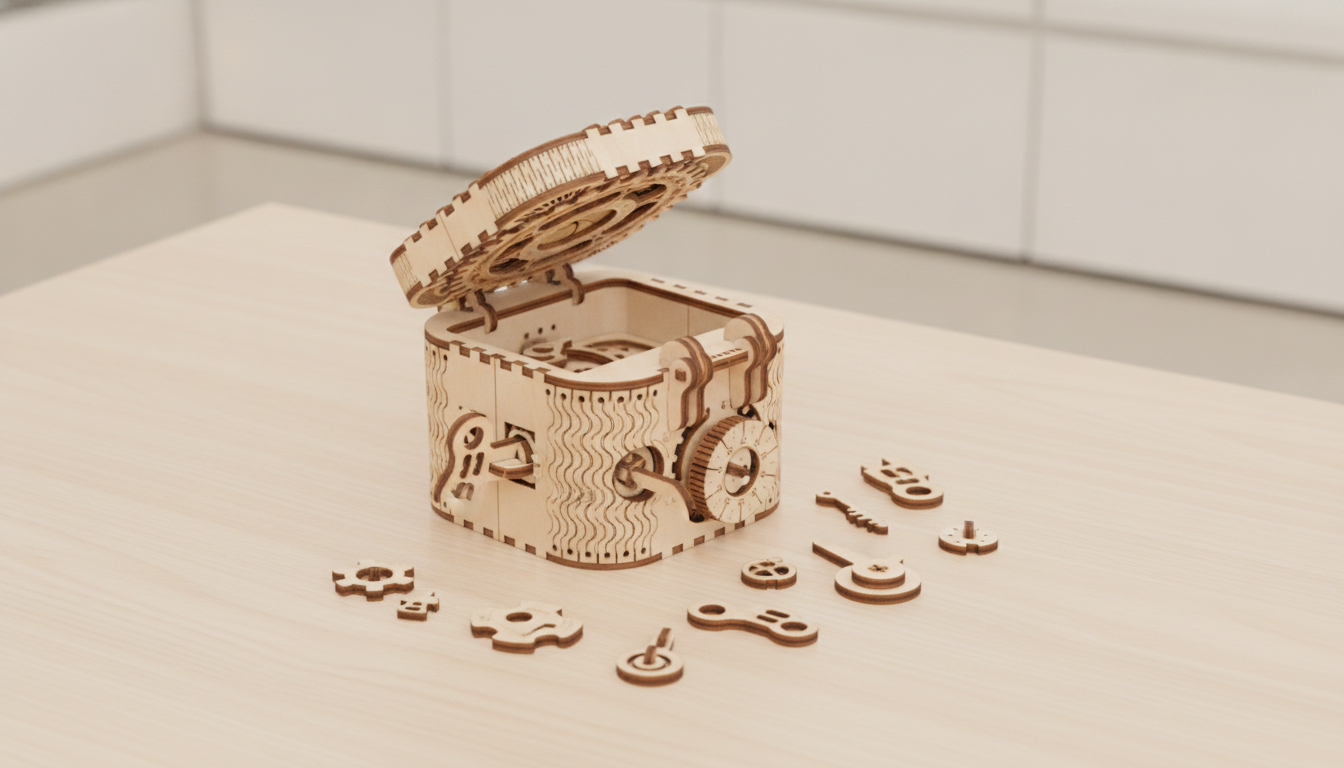
How to open secret wooden puzzle box?
Secret wooden puzzle boxes are designed to reward patience, not force. The goal is usually to discover a hidden movement—something that slides, lifts, or shifts a few millimeters—so an internal pin or catch can release the lid. If you’re stuck, start with a careful, methodical approach that protects the wood and helps you spot the “tell” built into the design.
1) Inspect the box like a mechanic, not a magician
Set the box on a flat surface under bright light. Slowly rotate it and look for tiny seams, mismatched grain lines, shallow grooves, or a panel that sits slightly proud. Pay attention to corners and edges; many puzzle boxes hide sliders along a side rail or under a decorative strip.
2) Use gentle pressure to locate a moving piece
With clean, dry hands, press lightly along each side and end, especially near seams. Try short, controlled pushes rather than twisting. If anything shifts even slightly, stop and repeat the movement in that same direction to confirm it’s a real mechanism and not flexing wood.
3) Try common “first moves” (without forcing)
Many secret boxes open after one or more of these actions:
- Slide a side panel lengthwise (often 1–5 mm at first).
- Pull or push a small strip near the base that acts like a latch.
- Lift a corner of the lid only after another piece has moved.
- Rotate the box and repeat—some mechanisms rely on gravity to align an internal peg.
4) Avoid damage: no prying, no tools
Skipping to a knife or screwdriver can dent edges, split veneer, or permanently jam the mechanism. If a move requires strength, it’s probably not the right move yet. When the correct step is found, it typically feels smooth and deliberate.
5) Follow a proven walkthrough when needed
If you want a detailed, step-by-step method (including what to check first and what movements to test), use this guide: How to Open a Secret Wooden Puzzle Box. It’s especially helpful if your box has multiple sequential locks.
FAQ
Why won’t my wooden puzzle box open even when a panel slides?
Many boxes require a sequence: a slider may only “arm” the next latch. Keep the first piece in its new position and test for a second movement on another side, then return to the lid gently once the mechanism feels loose.










Leave a comment