Orthopedic vs Memory Foam Dog Beds: Which Is Better?
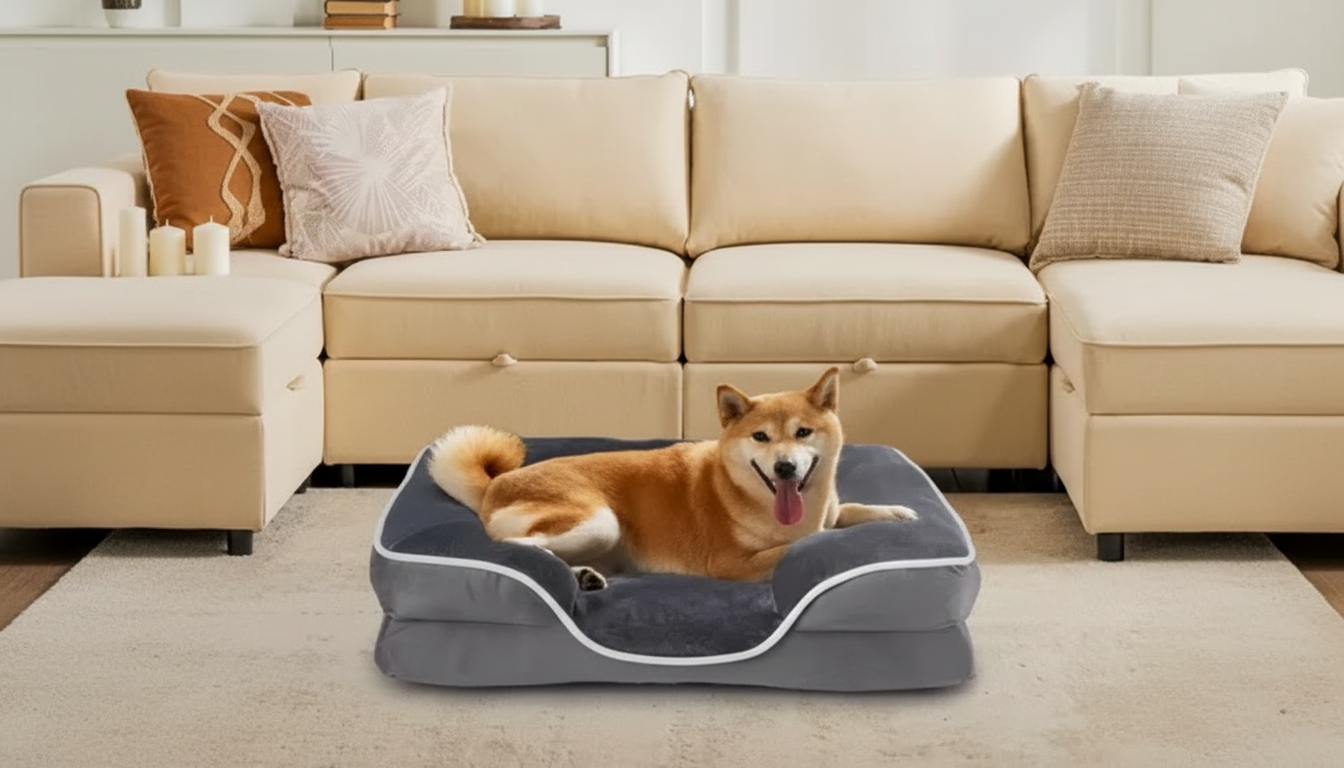
Is orthopedic foam better than memory foam for dogs?
Orthopedic foam isn’t automatically “better” than memory foam for dogs—it depends on what the foam is designed to do and how it’s built. In many products, “orthopedic” is a performance label that usually means firmer, more supportive foam aimed at reducing pressure on joints. “Memory foam” describes a specific material (viscoelastic foam) that slowly conforms to the body to distribute weight and relieve pressure.
For older dogs, large breeds, or dogs dealing with arthritis, hip dysplasia, or stiffness, a true orthopedic-grade support core (often high-density foam) can feel more stable than soft, slow-sinking memory foam alone. Firmer support helps keep the spine and hips more level, which may make getting up easier and reduce “bottoming out” (when the dog compresses the foam and ends up feeling the floor).
Memory foam can still be a strong choice when it’s high quality and paired with a supportive base layer. It excels at pressure relief because it molds to bony areas like hips and shoulders. However, some memory foams soften noticeably with warmth and may feel too plush for dogs that need steadier support—especially heavier dogs.
What matters most is construction: density, thickness, and whether the bed uses a supportive base (often marketed as orthopedic) with a comfort layer (often memory foam). A well-made “orthopedic memory foam” design—support core plus contouring top—can combine the best of both. If a listing doesn’t specify foam density or uses very thin foam, neither label guarantees comfort or durability.
For a deeper breakdown of how these foams compare and what to look for in real-world materials, visit the full guide here.
For Orthopedic vs Memory Foam Dog Beds: Which Is Better?, the best answer depends on fit, material, care instructions, and how the product will be used day to day.
FAQ
What’s the difference between high-density foam and memory foam?
High-density foam is typically firmer and more supportive, holding its shape to prevent sagging. Memory foam is viscoelastic and conforms closely to the body for pressure relief, but can feel softer and more temperature-sensitive.










Leave a comment