Highest-Quality Ratchet Straps: What to Look For
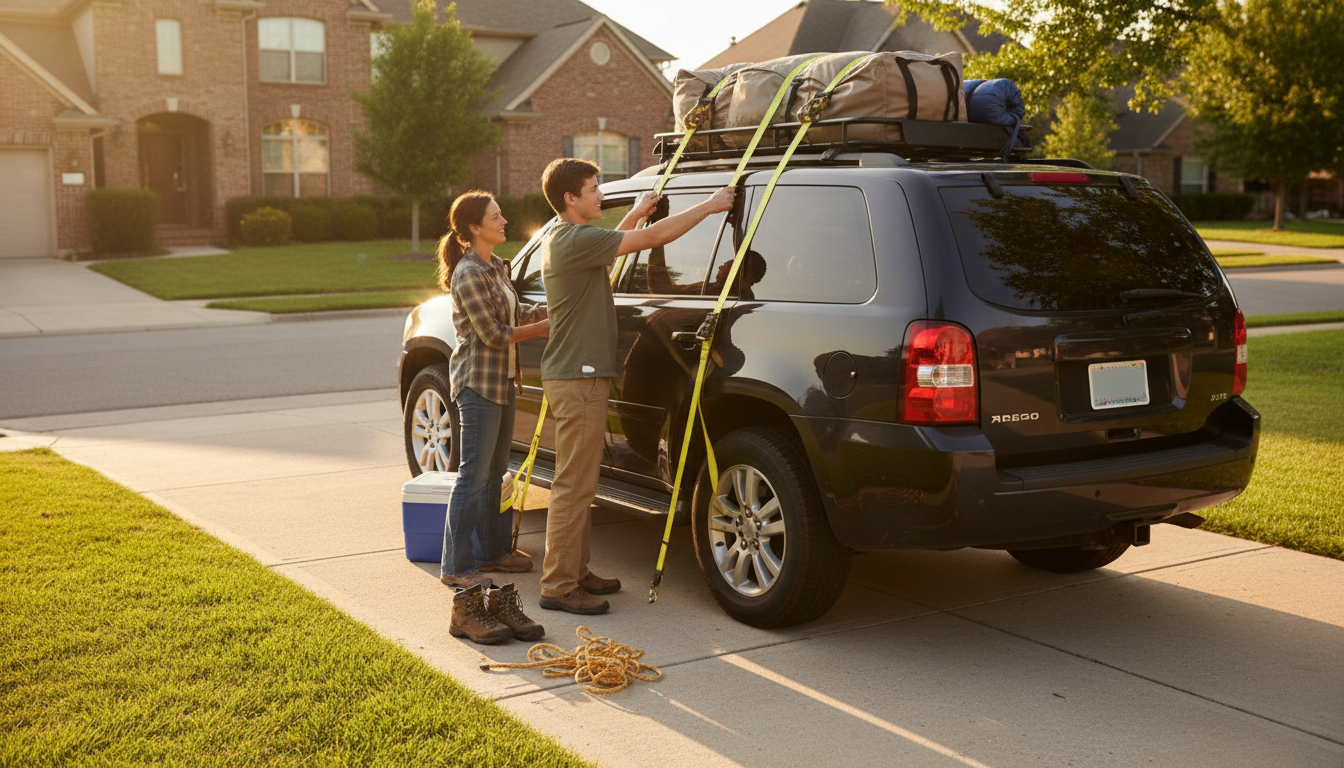
Who makes the highest quality ratchet straps?
The highest quality ratchet straps typically come from established tie-down manufacturers that pair heavy-duty webbing with durable, corrosion-resistant hardware and consistent quality control. In practice, the “best” maker depends on what you’re hauling and how often you use your straps: commercial hauling, powersports, household moving, or occasional weekend loads all benefit from different build features.
What separates a top-tier ratchet strap brand?
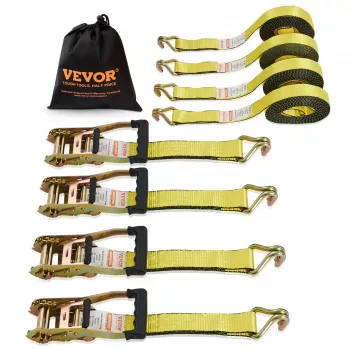
Quality shows up in the details. Look for thick, tightly woven polyester webbing that resists abrasion and UV exposure, plus stitching that stays flat and even under tension. The ratchet mechanism should feel smooth but solid—no gritty movement, no sharp edges that can fray webbing, and a handle that locks positively without slipping.
Hardware and coating matter as much as webbing
High-end straps use strong steel components with reliable finishes (like zinc plating, powder coating, or stainless options) to slow rust and reduce binding. Hooks are another tell: premium makers offer sturdy S-hooks, flat hooks, or snap hooks that match specific anchor points, often with protective coatings to reduce scratching.
Ratings, labeling, and real-world performance
Reputable manufacturers clearly label working load limit (WLL) and break strength, and they produce straps that perform consistently at the rated limits. If a strap’s label is vague or missing, or the “rating” seems unrealistic for the width and hardware size, that’s usually a sign the brand is cutting corners.
For a deeper breakdown of what to look for—and how to compare leading options—visit the full guide on highest quality ratchet straps.
For Highest-Quality Ratchet Straps: What to Look For, the best answer depends on fit, material, care instructions, and how the product will be used day to day.
FAQ
What is the difference between working load limit and break strength on ratchet straps?
Working load limit (WLL) is the maximum load the strap is designed to secure safely in normal use, while break strength is the force required to fail the strap. For safe tie-downs, choose based on WLL, not the break strength.








Leave a comment