360° Rotating Black Sprayer Nozzle for Kitchen Faucets
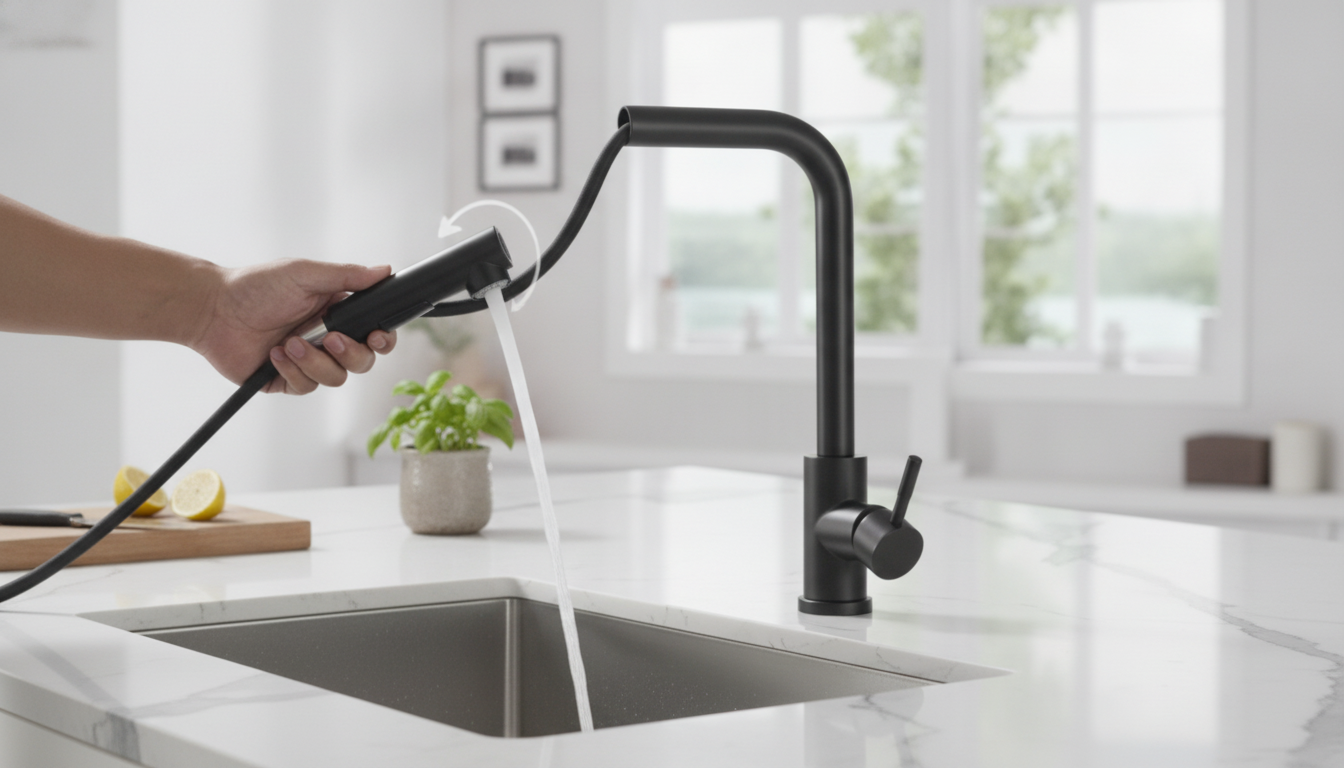
Black 360° Rotation Stream Sprayer Nozzle for Stainless Steel Kitchen Sink Faucets
A small faucet upgrade can make daily kitchen tasks noticeably easier. A 360° rotating sprayer nozzle adds flexible reach, adjustable spray control, and improved rinsing power for dishes, produce, and sink cleanup—without replacing the entire faucet. For many kitchens, it’s the difference between constantly repositioning a pot or colander and simply aiming the water where it needs to go.
What a 360° rotating sprayer nozzle does
A rotating nozzle replaces (or installs in place of) the standard aerator at the tip of many kitchen faucets. Instead of a fixed outlet, you get a swiveling head that helps direct water into tight angles and awkward corners.
- Extends faucet functionality by adding a swiveling head that redirects water where it’s needed.
- Helps rinse corners of the sink, tall pots, colanders, and cutting boards with less repositioning.
- Supports quick transitions between gentle rinse and stronger spray-like flow (depending on nozzle design).
- A practical option for renters or quick refresh projects since it can be installed without changing the faucet body.
Key features to look for in a stainless steel sink faucet nozzle
Not all add-on nozzles feel the same in daily use. A few details make the difference between a smooth upgrade and an accessory that’s always in the way.
- Rotation range: A full 360° swivel increases coverage and reduces splashy repositioning.
- Outlet pattern options: Stream for filling and controlled rinsing; spray-style flow for stubborn residue.
- Build materials and finish: Metal body or reinforced materials resist cracks; finishes like matte black can hide water spots but may show limescale if water is hard.
- Connection compatibility: Verify faucet thread size and whether adapters are included for common standards.
- Anti-splash design: Aeration and flow shaping reduce bounce-back when hitting a flat surface.
- Ease of cleaning: Removable head or wipe-clean outlets help manage mineral deposits.
If conserving water is a priority, small behavior changes matter too—like turning off the flow while scrubbing. The EPA shares practical tips for kitchen water use at EPA WaterSense.
Compatibility checklist before buying
Most installation headaches come down to thread mismatch or a missing seal. A quick pre-check helps ensure the rotating head installs cleanly and rotates without bumping into anything.
- Confirm whether the current faucet tip is removable and threaded.
- Measure the aerator thread size (common options vary by faucet brand and region).
- Check for male vs. female threading at the faucet spout.
- Ensure sufficient clearance: rotating heads may add length and need space behind the spout.
- If water pressure is low, prioritize a nozzle designed to maintain a stable stream without excessive restriction.
Quick fit and setup checklist
| Check | What to look for | Why it matters |
|---|---|---|
| Thread type | Male or female threads on the faucet spout | Prevents cross-threading and leaks |
| Thread size | Match the aerator size or confirm included adapters | Ensures the nozzle can be installed |
| Seal condition | O-ring or washer present and undamaged | Reduces dripping at the connection |
| Clearance | Room for rotation without hitting backsplash or handles | Enables full swivel range |
| Water hardness | Frequent limescale buildup | Helps decide if easy-clean outlets are a must |
Installation overview and leak-free tips
Most rotating nozzles install in minutes, but a careful start prevents leaks and protects the faucet finish.
- Turn off the faucet and remove the existing aerator using a cloth and gentle grip to avoid scratching.
- Clean the spout threads and remove any debris or old tape fragments.
- Insert or confirm the gasket/O-ring is seated properly before threading on the nozzle.
- Hand-tighten first, then snug slightly; overtightening can deform seals and cause leaks.
- Run water and test multiple angles to confirm the connection stays dry while rotating.
If the sink area is due for a deeper clean after installation, follow common-sense surface hygiene guidance like the CDC’s recommendations for cleaning routines: CDC cleaning guidance.
Everyday use: rinsing, filling, and sink cleanup
A rotating nozzle shines in the everyday moments that usually create mess—rinsing produce that splashes, washing a tall stockpot that barely fits, or trying to flush crumbs from the sink ledge.
- Rinsing produce: Use a softer stream to reduce splash while rotating to reach all sides of a colander.
- Dishes and cookware: Aim the nozzle under rims and handles to clear stuck residue faster.
- Sink maintenance: Direct flow along seams and edges to flush away crumbs and soap film.
- Filling tall containers: Adjust the angle to reduce awkward positioning under a fixed spout.
Care and maintenance for long-term performance
Black 360° Rotation Stream Sprayer Nozzle: what to expect
Featured picks
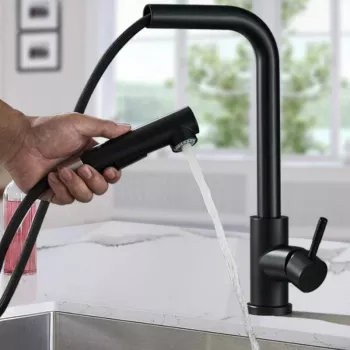
- Black 360° Rotation Stream Sprayer Nozzle Stainless Steel Kitchen Sink Faucet — a simple way to add swivel reach and more controlled rinsing at the sink.
- Luminous Wooden LED Light Globe 3D Puzzle Model Kit — a hands-on build that adds a warm, decorative glow to a kitchen nook, shelf, or home office.
- Minimalist Bow Knot Bangle Bracelet — a small accessory option if you’re bundling a few practical and giftable items in one order.
FAQ
Will a rotating sprayer nozzle fit any kitchen faucet?
Fit depends on the faucet spout’s thread type and size. Check whether your spout has male or female threads, measure the aerator size, and confirm whether adapters are included if your faucet uses a different standard.
How can a sprayer nozzle be cleaned if water flow becomes uneven?
Remove the nozzle or aerator screen (if accessible) and rinse out any trapped debris. For mineral buildup, briefly soak affected parts in diluted vinegar, rinse thoroughly, and make sure the gasket is still seated properly when reinstalled.
Why does a new nozzle drip at the connection?
Common causes include a missing or mis-seated O-ring/washer, cross-threading, debris on the threads, or overtightening that deforms the seal. Re-seat the gasket, rethread by hand carefully, and tighten only until snug.









Leave a comment