Best Mouse for Apple Ecosystem: Mac + iPad Picks
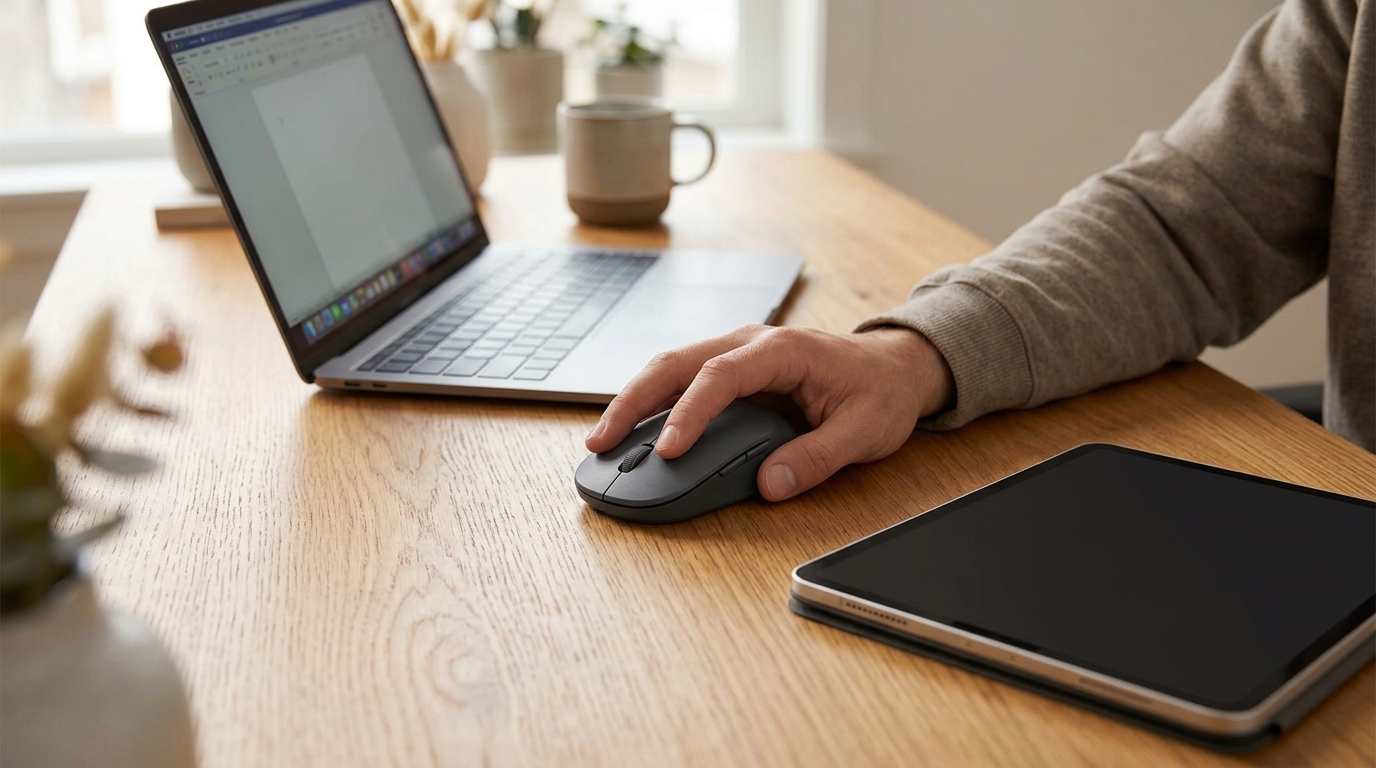
Best mouse for Apple ecosystem?
The best mouse for the Apple ecosystem is the one that stays reliable across Mac, iPad, and (if needed) iPhone workflows, while matching Apple’s smooth scrolling and gesture-friendly experience. For many setups, that means prioritizing stable connectivity, Mac/iPadOS compatibility, and comfort for long sessions—especially if you bounce between a MacBook and iPad with a keyboard case.
What to look for when choosing a mouse for Mac and iPad
Start with connectivity. Bluetooth is convenient for MacBooks and iPads with limited ports, but a 2.4GHz USB receiver can feel more consistent in busy wireless environments and often delivers snappier cursor response. If you prefer a receiver, confirm your Mac has USB-A or plan on using a USB-C adapter/hub.
Next, check button behavior on macOS and iPadOS. Some mice advertise extra side buttons, but the real win is when those buttons can be mapped for back/forward, Mission Control-like actions, or app shortcuts without constant tinkering.
Comfort matters more than spec sheets. A contoured ergonomic shape helps reduce wrist strain, while a well-placed thumb rest can make day-to-day browsing and spreadsheet work noticeably easier. If you game on Mac, you’ll also want a sensor that tracks smoothly and a shape that stays controlled during fast movements.
A practical pick for Apple users who want flexibility
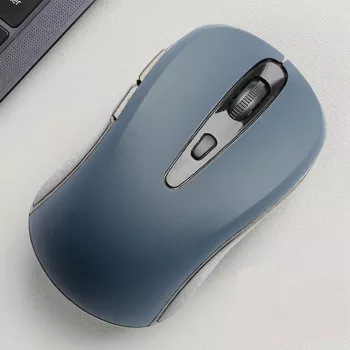
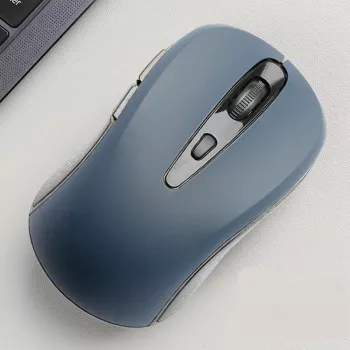
If you want one mouse that can cover Mac and iPad setups—especially when you’re switching desks, docking, or working on the go—an ergonomic 2.4GHz wireless mouse can be a strong value choice. It gives you receiver-based stability for Mac, plus a comfortable grip that suits longer work sessions.
For a deeper walkthrough on pairing, setup tips, and what to expect from a 2.4GHz ergonomic gaming mouse with Mac and iPad, visit this guide: https://desireddropsrealm.shop/guide-2-4ghz-ergonomic-gaming-mouse-mac-ipad-setup/.
FAQ
Do I need a USB-C adapter to use a 2.4GHz mouse with a MacBook?
If your mouse uses a USB-A receiver and your MacBook only has USB-C ports, you’ll need a USB-C to USB-A adapter or a USB-C hub. Once connected, most receivers are plug-and-play on macOS.








Leave a comment