1:14 RC Excavator: 22 Channels, 680° Rotation Control
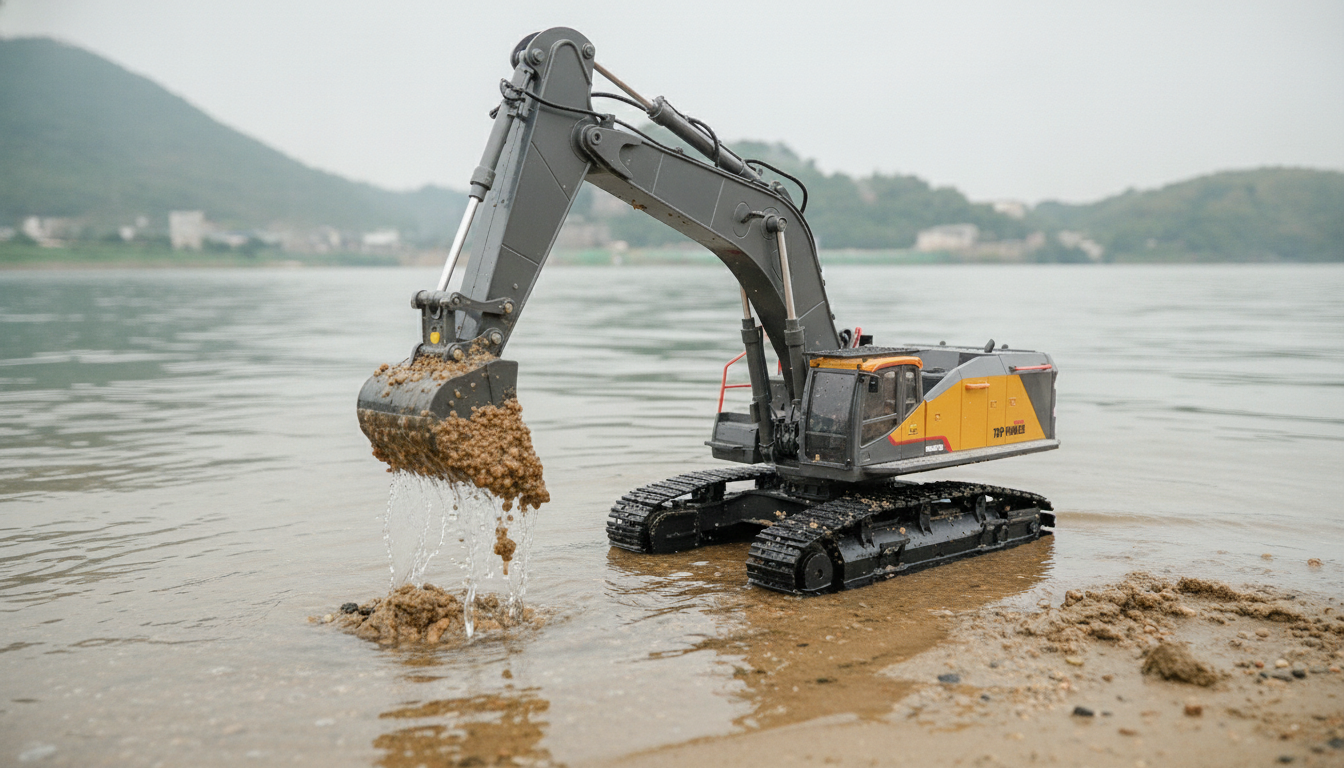
1:14 Scale RC Excavator With 22 Channels and 680° Rotation: Precision Control for Realistic Digging
A detailed RC excavator with multi-function control and extended rotation brings “real equipment” rhythm to backyard builds, indoor practice trays, and hobby-grade skill development. When you step up to 22 channels and a 680° swing range, the big difference isn’t just more buttons—it’s smoother sequencing, fewer compromises, and a workflow that feels closer to how full-size machines operate. For a quick primer on what an excavator does in real life, see the overview of excavator operating concepts at Wikipedia.
What 22 Channels and 680° Rotation Enable
Channel count refers to how many separate control signals can be sent to the model. On RC construction equipment, more channels often means more independent functions—boom, arm, bucket curl, superstructure swing, track travel, lights, sound, or auxiliary outputs—depending on the specific configuration.
- More lifelike operation: Independent control over boom, arm, bucket, swing, travel, and optional accessory actions helps you execute a full digging cycle without “either/or” tradeoffs.
- 680° rotation for better workflow: Extended superstructure rotation supports continuous repositioning with fewer interruptions, especially during repeated loading cycles where you’re swinging between a dig area and a dump point.
- Cleaner control mapping: With more channels available, functions can stay separate instead of being combined onto shared controls, which reduces accidental movements and improves precision.
Key Features to Check Before Buying
Two excavators can share the same scale and still feel completely different to operate. These checks help you spot models that are more likely to stay smooth and durable after many sessions.
- Scale and proportions: A 1:14 size typically balances display realism with a practical working reach and easier storage than larger models.
- Rotation design: Confirm the swing action remains stable under load. Extended rotation systems should be designed to manage cable routing and structure so the top doesn’t feel “wobbly” when you lift material.
- Control feel: Look for proportional control, smooth start/stop, and predictable centering so the bucket doesn’t jerk and dump early.
- Materials and drivetrain: Sturdier arms, well-fitted joints, and a solid undercarriage handle repeated digging cycles better, especially when working in heavier soil or fine gravel.
- Parts support: Replacement gears, pins, and tracks matter. A model that can be maintained is usually more satisfying long-term than one that becomes disposable after a wear item fails.
Specs at a Glance
If the goal is casual play, a simpler excavator can be enough. If the goal is practice and realism, this checklist helps confirm you’re getting the control and stability needed for coordinated operation. Also double-check what’s included (controller, battery/charger, and any accessories) on the product page before ordering.
| Feature | Why It Matters | What to Confirm |
|---|---|---|
| 1:14 scale size | More realistic geometry and reach; easier to detail and display | Overall dimensions, working reach, bucket size |
| 22-channel control | More independent functions and finer control | Which functions are truly separate vs. combined |
| 680° rotation | Fewer repositioning steps; better workflow for loading/unloading | Smooth swing under load; stable platform |
| Undercarriage/tracks | Traction and stability on dirt, sand, and mats | Track tension, wheel alignment, spare parts availability |
| Battery system | Runtime and convenience | Charge method, estimated runtime, extra battery availability |
| Build materials | Durability and realism | Arm rigidity, joint play, metal vs. plastic where it counts |
Best Use Cases: Where This Type of Excavator Shines
- Backyard “micro job site”: Move soil, fine gravel, or decorative sand in controlled amounts for landscaping mini-projects or RC construction scenes.
- Indoor practice on a mat or tray: Use kinetic sand or a contained digging bin to learn coordinated boom/arm/bucket control with minimal mess.
- Scale scenes and dioramas: 1:14 is large enough to photograph well and stage with props like pallets, barrels, and mini dump zones.
- Skill progression: Multi-channel control supports learning efficient cycles—cut, curl, lift, swing, dump, return—without relying on abrupt, all-or-nothing movements.
Getting Smoother Operation and Cleaner Dig Cycles
Realism comes from repeatability. A controlled cycle looks better, spills less, and puts less strain on joints, gears, and tracks.
Care, Storage, and Battery Safety Basics
For general lithium-ion safety guidance, review recommendations from the National Fire Protection Association (NFPA).
Product Spotlight: 1:14 Scale RC Excavator With 22 Channels and 680° Rotation
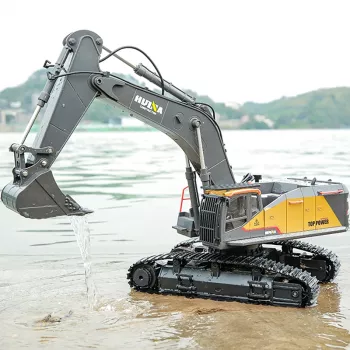
If the goal is realistic multi-function control and a more natural work rhythm, the 1:14 Scale RC Excavator with 22 Channels and 680° Rotation is built for coordinated operation rather than basic up/down arm movement. The extended swing range helps you keep a steady loading cycle, while multi-channel control supports separate function handling for more precise practice.
For a complementary build that looks great on a hobby shelf between “job site” sessions, the Luminous Wooden LED Light Globe 3D Puzzle Model Kit adds a hands-on project with a finished display piece—ideal for a workshop desk or RC staging area.
FAQ
What does 22-channel control mean on an RC excavator?
“Channels” are separate control signals for different functions. A 22-channel system generally allows more independent actions (like boom, arm, bucket, swing, travel, and auxiliaries) with fewer combined controls, depending on how the transmitter is set up.
Why is 680° rotation useful compared with standard rotation?
680° rotation helps you keep working without constantly backing up or re-centering the machine, which makes loading and dumping cycles smoother. It’s especially helpful in tight spaces, but stability and swing design still determine how controlled it feels under load.
What surface works best for realistic digging?
Fine dirt, sand, and small gravel typically look and behave most realistically at 1:14 scale. Avoid oversized rocks that can jam the bucket or stress joints, and keep the base as level as possible for steadier swing control.









Leave a comment