5-Gallon Wet/Dry Shop Vac: Blower + 10ft Cord Reach
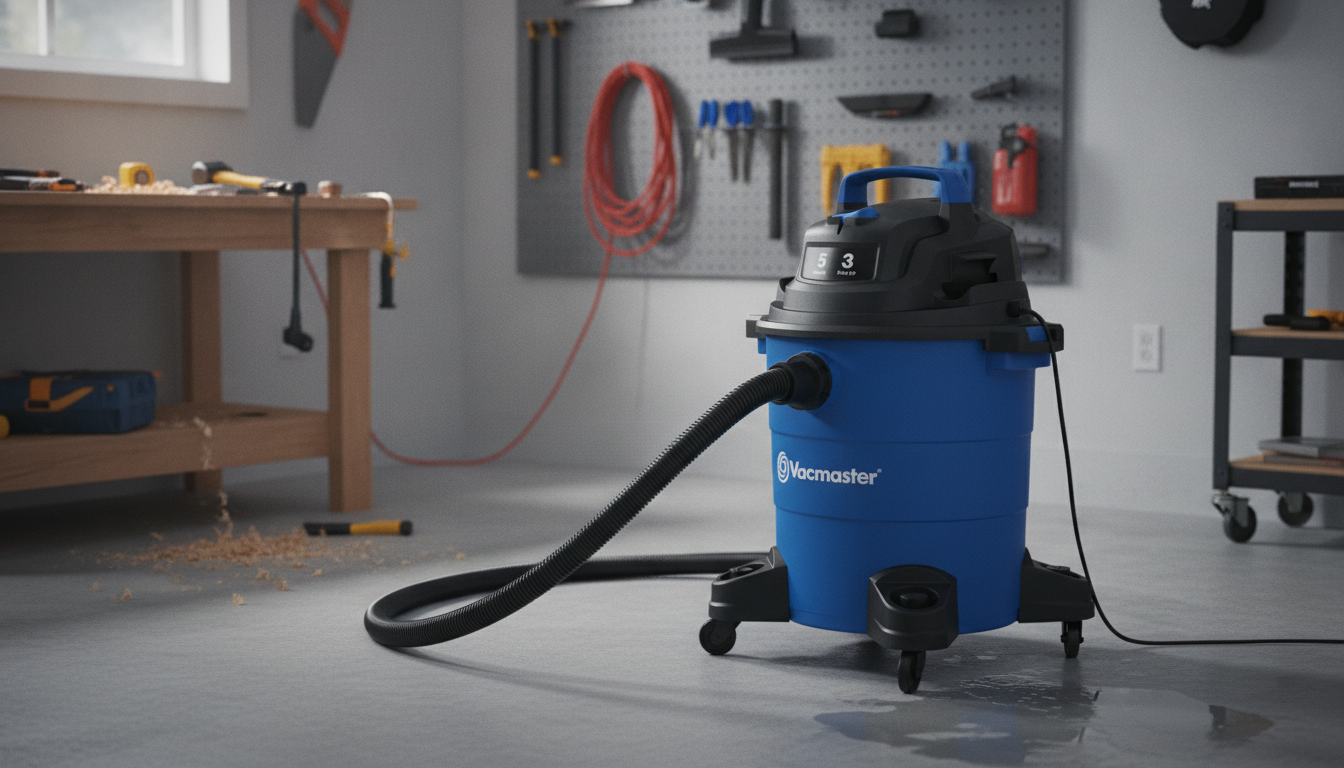
5-Gallon Wet/Dry Shop Vacuum: Compact Cleanup Power with Blower and 10ft Cord
A compact shop vacuum is a practical upgrade for everyday workshop messes, quick car cleanups, and small household spills—without sacrificing valuable storage space. This 5-gallon wet/dry model is sized for grab-and-go jobs, and it adds two features that make a noticeable difference in real use: a built-in blower function and a 10ft power cord for more reach around the garage, driveway edge, or utility room.
What This Vacuum Is Built For
A 5-gallon wet/dry vacuum shines when you need fast cleanup and flexible use across different surfaces and debris types. Typical jobs include:
- Wet pickup for small spills in garages, basements, utility rooms, and around entryways.
- Dry debris cleanup like sawdust, wood chips, drywall dust (after sanding), and general shop mess.
- Car interior detailing: floor mats, seats, trunk corners, and tight gaps.
- Blower mode for clearing leaves from small patios, dust from workbenches, and debris from crevices (where safe).
Key Features That Matter Day to Day
Specs are useful, but day-to-day convenience comes down to a few practical benefits that affect how often you actually reach for the vacuum.
- 5-gallon capacity balances portability with fewer trips to empty during typical household and hobby projects.
- Powerful suction helps pick up heavier debris and pull dirt out of carpeted mats and upholstery.
- Built-in blower function is handy when pushing debris out of corners is faster than vacuuming it.
- 10ft cord helps reduce outlet swapping for small rooms, garages, and driveways near the door.
- Compact body stores easily on a shelf or in a corner compared with larger tanks.
Quick Setup and First Use
For smoother first-time use, start with a quick check and a simple routine:
- Place the tank on a stable, dry surface and confirm the collection container is seated correctly.
- Choose the right mode: vacuum for pickup; blower for clearing dust/debris (follow the manufacturer’s configuration steps).
- For wet pickup, confirm the correct wet-use setup is installed before turning the unit on.
- Start with short passes and let suction do the work; avoid forcing the nozzle into sharp debris.
- After wet cleanup, empty promptly and allow the tank to dry to reduce odors.
Wet Cleanup Tips (Without the Headaches)
Wet pickup is one of the most useful reasons to keep a shop vacuum around, but it’s also where a little technique prevents mess and smell later.
- Remove solids first when possible so the tank doesn’t fill with sludge.
- Work from the edges inward to keep liquid from spreading across the floor.
- Don’t overfill the tank; stopping early reduces carry weight and splash risk when moving to dump.
- Rinse after dirty-water pickup, then dry the tank with the lid off to improve airflow.
- Avoid unknown chemicals, hot liquids, or flammable fluids; follow safety guidance and the product instructions.
For general electrical and workplace safety reminders—especially around moisture—review resources from OSHA and NFPA.
Dry Cleanup Tips for Workshops and Cars
Dry messes are where a compact wet/dry vac can replace a broom-and-dustpan routine and make car detailing feel less frustrating.
- Use steady, overlapping passes on mats and carpets to lift embedded grit.
- For fine dust, work slowly and empty before airflow drops.
- Keep the nozzle slightly angled on hard floors to maintain airflow and reduce debris scatter.
- For garages and DIY projects, sweep big piles first and vacuum what remains to reduce clogging.
- If suction suddenly drops, check the inlet and hose for blockages.
Using the Blower Function Safely and Effectively
Blower mode is great for corners and crevices where vacuuming can be slow. Used thoughtfully, it can speed up your workflow.
- Use blower mode to clear dust from corners, benches, and outdoor rugs when vacuuming would be inefficient.
- Wear eye protection—dust and grit can become airborne quickly.
- Avoid blowing dust near open doors or windows if it will drift indoors.
- Do not use blower mode around sparks, open flames, or hazardous dust clouds.
- Finish by vacuuming the area to capture loosened debris.
Maintenance and Storage
A few small habits help keep suction strong and reduce odor over time:
For moisture-related cleanup and drying best practices, the EPA’s mold guidance is a useful reference for preventing growth after water exposure.
Specifications at a Glance
| Item | Details |
|---|---|
| Capacity | 5 gallons |
| Pickup Type | Wet and dry |
| Functions | Vacuum + blower |
| Power Cord Length | 10 ft |
| Best For | Garage, workshop, small spills, car interiors, quick cleanups |
When a 5-Gallon Size Is the Right Choice (and When It Isn’t)
Featured In-Stock Picks
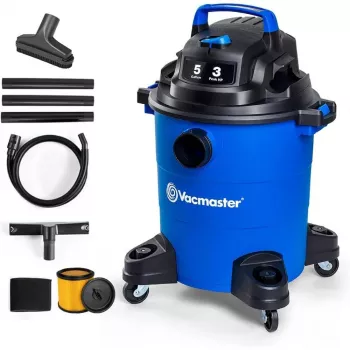
- 5 Gallon Wet Dry Shop Vacuum with Powerful Suction and Blower, 10ft Cord ($62.51)
- Luminous Wooden LED Light Globe 3D Puzzle Model Kit ($41.97)
- Gold Metal Decorative Ring Charms for Apple Watch Bands ($3.01)
FAQ
Can a wet/dry shop vacuum pick up water safely?
Yes—when configured for wet pickup according to the manual. Empty it promptly, rinse if needed, and dry the tank and accessories to help prevent odor or mold. Avoid unknown chemicals, hot liquids, and flammable fluids.
What should be checked if suction feels weaker than normal?
Check that the tank isn’t overfilled, the filter isn’t clogged, and the hose/inlet is free of blockages. Also confirm the lid and seals are seated tightly so the vacuum doesn’t lose airflow.
Is a 10ft cord long enough for a garage or car cleaning?
It typically covers close-range tasks near an outlet or a garage door. For larger spaces, use an extension cord that’s properly rated for the vacuum’s power draw and keep all connections dry.








Leave a comment